Dental Veneers in Turkey: Types, Costs & Guide
What Are Dental Veneers? Your Complete Guide
Dental veneers are ultra-thin shells bonded to the front surface of teeth to improve their appearance. They are one of the most popular cosmetic dental procedures worldwide, used to treat a wide range of aesthetic issues including stains, gaps, chips, and uneven teeth.
Turkey has established itself as the world's top destination for dental veneers, with Turkish clinics offering the highest quality at prices 70-80% lower than Western countries. These clinics employ specialized cosmetic dentists and feature in-house labs equipped with the latest CAD/CAM technology.
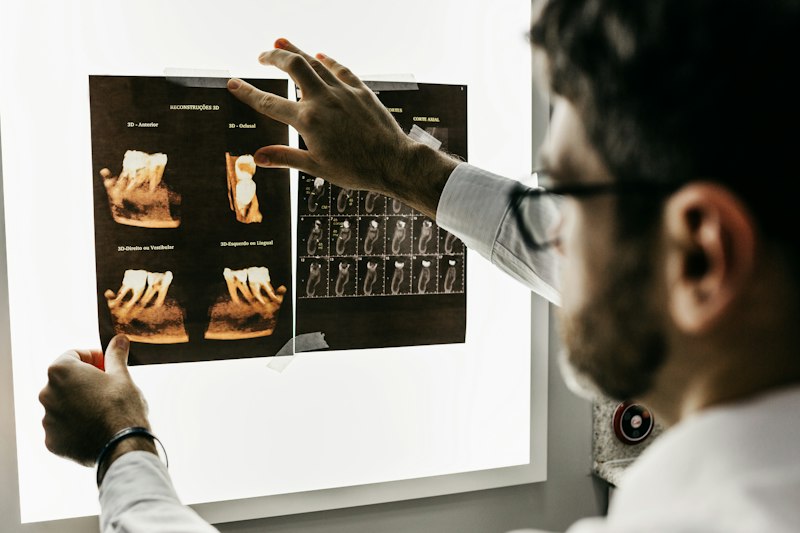
Types of Veneers Available in Turkey
Traditional Porcelain Veneers
Made from high-quality ceramic that mimics natural teeth. Requires removing a thin layer of enamel (0.3-0.5mm). Exceptional durability lasting 15-20 years. Excellent stain resistance. Price in Turkey: $150-250 per tooth.
E-max Veneers (IPS E.max)
The latest advancement in veneer technology. Made from reinforced lithium disilicate ceramic. Exceptional translucency closest to natural teeth. Thinner than porcelain (0.3mm) requiring less preparation. Price in Turkey: $200-350 per tooth.
Zirconia Veneers
The strongest and most durable option. Ideal for bruxism patients. Bright white color adjustable to desired shade. Lasts 20-25 years. Price in Turkey: $180-300 per tooth.
Composite Veneers
Made from composite resin material. Can be applied in a single session. Most affordable option. Lasts 5-7 years. Suitable for minor changes. Price in Turkey: $100-150 per tooth.
Global Veneer Price Comparison
| Type | Turkey | UK | USA |
|---|---|---|---|
| Porcelain veneer | $150–$250 | $600–$1,000 | $800–$1,500 |
| E-max veneer | $200–$350 | $800–$1,200 | $1,000–$2,000 |
| Zirconia veneer | $180–$300 | $700–$1,100 | $900–$1,800 |
Veneer Procedure Steps in Turkey
Phase 1: Consultation & Planning
Comprehensive exam with digital photos and panoramic X-rays. Selection of appropriate type, color, and shape. DSD technology to preview expected results.
Phase 2: Tooth Preparation
Precise preparation of the front tooth surface. Digital impressions using intraoral scanner. Temporary veneers placed for protection.
Phase 3: Final Bonding
Veneers fabricated in the in-house lab within 2-3 days. Try-in to verify fit and color. Final bonding with high-strength dental adhesive.
Veneers vs. Crowns: When to Choose Each?
Veneers: Best for healthy teeth needing cosmetic improvement only. Preserves natural tooth structure. Requires less preparation.
Crowns: Necessary for severely damaged or root canal-treated teeth. Covers the entire tooth. Provides greater protection.
Veneer Care Tips
- Use a soft-bristle toothbrush and non-abrasive toothpaste
- Floss daily with gentle technique
- Avoid biting hard objects like ice and hard nuts
- Minimize staining beverages (coffee, tea, wine)
- Wear a night guard if you grind your teeth
- Visit your dentist every 6 months for check-ups
Patient Experiences with Veneers in Turkey
Emily from the UK: "I got 10 E-max veneers in Istanbul for $2,800. The same treatment in London would have cost me over £8,000. The result looks completely natural."
Michael from Germany: "My front teeth were chipped and stained. After 6 zirconia veneers, my smile is perfect. I recommend Turkey to everyone."